
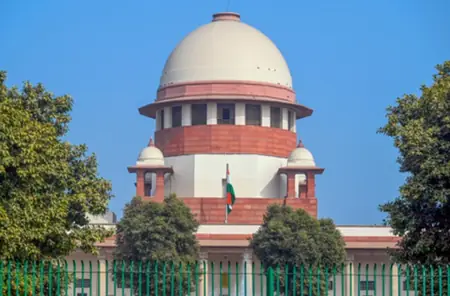
The Supreme Court has thrown down the gauntlet to the government and major banks in the contentious auction of Delhi’s Hyatt Regency hotel, questioning entrenched double standards in asset valuation. Triggered by a PIL from Infrastructure Watchdog, the case reveals how IBC protocols may be manipulated for high-profile defaulters.
In a pointed exchange, CJI Suryakant’s bench contrasted the plight of small borrowers with luxury asset handlers. ‘Banks dismiss a poor family’s 40-lakh home valuation outright,’ the CJI observed. ‘But when it’s a premium hotel defaulting on crores, the playbook changes entirely. How is this parity achieved?’ The court flagged the troubling variability in valuation norms as a core issue.
Advocate Prashant Bhushan laid bare claims of collusion, where hotel valuations were allegedly depressed to enable loan write-offs using public funds. Demanding transparency, the bench sought exhaustive details from the Union government on Asian Hotels Group’s insolvency trajectory post-loan default. Formal notices were served to Bank of Maharashtra, Punjab National Bank, and the hotel entity, with directives for comprehensive replies.
This development spotlights the IBC’s role in balancing creditor rights against debtor rehabilitation. The court advocated for consistent, transparent processes, insisting that genuine repayment intents deserve consideration before asset liquidation. Amid rising concerns over bank accountability, the hearing marks a pivotal push for reform.
As the nation watches, the responses due will test institutional integrity. A ruling here could fortify safeguards against undervaluation scams, promoting equitable debt resolution and restoring faith in India’s bankruptcy regime.