
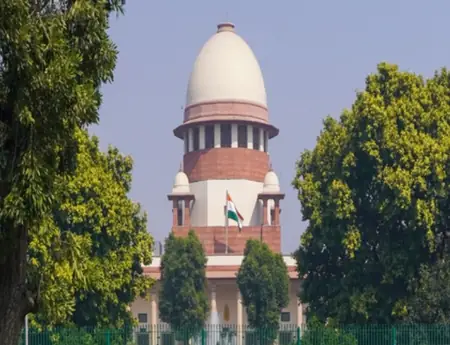
The Supreme Court of India has broken its silence on the Citizenship Amendment Act (CAA) saga, setting May 5, 2026, as the start date for hearing 237 petitions against the controversial legislation. In a nuanced move, the court will first tackle nationwide challenges, postponing Assam and Tripura-specific matters.
Chief Justice DY Chandrachud’s bench made this call to inject certainty into a case mired in delays since 2019. The Act amends citizenship laws to benefit non-Muslim migrants from Pakistan, Bangladesh, and Afghanistan who arrived before December 31, 2014. Opponents, including prominent activists and opposition parties, contend it undermines India’s secular ethos by institutionalizing faith-based preferences.
The government’s March 2024 notification of implementation rules galvanized new petitions. During proceedings, the Chief Justice advocated for ample time for arguments and allowed supplemental filings. Solicitor General Tushar Mehta invoked a 2020 order for case segregation, which found favor with the bench.
This milestone arrives against a backdrop of street protests, academic discourse, and international scrutiny. Legal scholars debate if the CAA aligns with Articles 14, 15, and 21 of the Constitution. For refugees awaiting relief, it’s a beacon; for critics, a constitutional red line.
As the calendar flips to 2026, expect intense preparations from all sides. The verdict could redefine India’s approach to asylum, influence bilateral ties, and set precedents for future reforms. In the highest court, the scales of justice weigh not just law, but the soul of a diverse republic.