
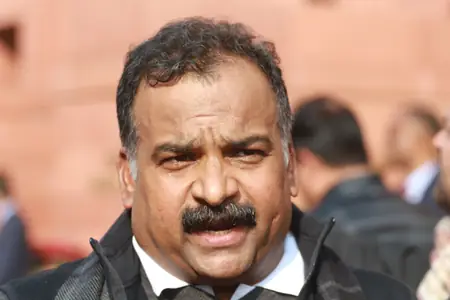
Tamil Nadu’s political waters are churning ahead of 2026 Assembly polls, with Congress MP B. Manickam Tagore challenging CM M.K. Stalin’s outright dismissal of coalition governments.
Stalin, doubling as DMK president, proclaimed that the state’s legacy leans toward single-party administrations, rebuffing Congress’s hopes for shared power if the alliance triumphs.
Tagore fired back on social media, underscoring that voters—not party bosses—hold the reins on governance models. ‘Democracy demands post-election structures follow the people’s will, free from advance dictates,’ he posted.
He delved into 2006 election archives, where DMK’s 96 seats necessitated support from Congress (34), PMK (18), and CPI(M) (9) to sustain minority rule for five years.
According to Tagore, Congress erred by not securing formal alliance roles with Karunanidhi, a blunder that represented a squandered era for the national party’s regional footprint.
Tagore’s intervention has amplified coalition debates within the front, especially as campaign gears shift into high gear. Analysts predict this could force negotiations, potentially altering alliance dynamics and testing loyalties in Tamil Nadu’s fiercely competitive arena.