
Tension simmers in Telangana as the Backward Classes Commission digs in its heels, refusing to greenlight the state census until the central government rectifies a glaring omission: 40 backward castes absent from the national OBC schedule.
Chairman G. Niranjan’s missive to Chief Secretary K. Ramakrishna Rao pulls no punches. With the state endorsing 130 castes versus the Centre’s 90, he cautions that an early census rollout would invisibilize key groups, inflating perceptions of equity while eroding real benefits.
Impacts could ripple through reservations and targeted schemes, Niranjan alerted. Though repeated requests have flown to New Delhi, closure eludes them.
Undeterred, preparations forge ahead. House-to-house listings span May 11-June 9, 2026, with population enumeration slated for February 9-28, 2027. A forward-thinking twist: self-enumeration goes live 15 days before HLO, via a dedicated portal.
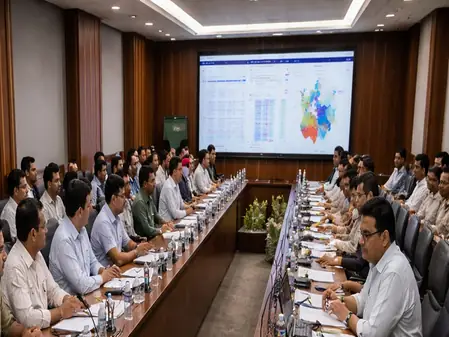
Rao’s district-level huddle with Census chief Bharati Holikeri mapped out logistics, mandating exhaustive inclusion—from tribal outposts to city shanties. Collectors got marching orders: spare no terrain.
Proponents hail the blend of manual verification and voluntary digital input as a transparency booster. Still, the Commission’s firm precondition casts a shadow, spotlighting chronic Centre-state divides on social justice metrics.
This standoff arrives amid renewed focus on caste censuses nationwide. For Telangana’s 40 overlooked castes, it’s a fight for visibility in the numbers that shape their future. Resolution feels urgent as deadlines approach.