
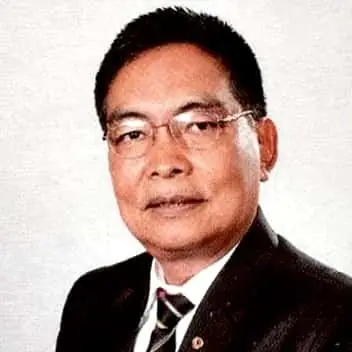
Justice delayed is justice denied—that’s the stark message from Manipur’s Zomi Council as it presses for a time-bound CBI inquiry into the assassination attempt on BJP legislator Vungzagin Valté. The Churachandpur council’s appeal to Home Minister Amit Shah via local authorities reveals simmering discontent among hill tribes.
Valté died on February 21 in Gurugram, over nine months after the May 4, 2023, attack in Imphal amid Meitei-Kuki clashes. Returning from a high-level meeting, the Thanlon MLA was shot, suffering critical wounds and partial paralysis; his driver perished instantly.
Council chief Wumsuan Naulak and secretary Paunehlal’s memorandum laments the probe’s stagnation: no prosecutions, no culprits in custody. It frames the lapse as deliberate marginalization of Zomi communities—Kuki, Zomi, Mizo, Hmar—whose aspirations for self-rule remain unmet.
The demand extends to structural reforms: constitutional guarantees for tribal security and political voice in a state long dominated by valley politics. Recent gestures, like Governor Bhalla’s wreath-laying and CM Singh’s Delhi visit, offer solace but not solutions.
Medevaced from Imphal on February 8, Valté’s death has reignited calls for accountability. As a respected tribal leader, his loss symbolizes broader struggles for equity in Manipur’s multi-ethnic tapestry.
With ethnic violence scars fresh, the Zomi Council’s ultimatum could shape future dialogues between hills and valleys, urging Delhi to act decisively for lasting reconciliation.