
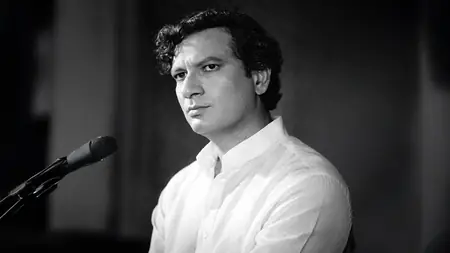
Picture 1950s Bollywood: rustic heroes, endless songs, melodrama galore. Enter Vijay Anand—Goldie—who smuggled in suspense, style, and urban edge. His 1965 triumph, Guide, flipped the script with Rosie’s rebellion against marital misery for dance and love, and Raju’s transformation from con artist to reluctant holy man.
This tale unpacked ambition’s pitfalls, love’s redemptive power, and spiritual awakening, signaling Indian cinema’s global ambitions. Goldie’s early hit Nauj Daur shocked peers with its swift production and taut narrative.
Jewel Thief positioned him as India’s Hitchcock: voyeuristic shots, pulse-pounding suspense, iconic moments like the booted intrigue. He gifted Bollywood the ‘urban hero’—Dev Anand in jackets and hats, exuding effortless cool.
Goldie’s editing prowess meant lean shoots and songs that advanced drama. Teesri Manzil’s jazzy anthem synced perfectly with cuts and angles; Tere Ghar Ke Samne romanticized historic stairs ingeniously. No filler, pure propulsion.
Life imitated art: Osho’s disciple, he wed niece Sushma scandalously, thriving despite backlash. Acting in Kora Kagaz showcased vulnerability; Tehkikaat’s eccentric sleuth endeared him to TV audiences.
February 2004 saw the end—heart attack at Lilavati, surgery spurned. Trophies from Filmfare and BFJA celebrate his innovations. Vijay Anand didn’t just direct; he sculpted Bollywood’s modern identity, blending grit, glamour, and genius into timeless classics.