
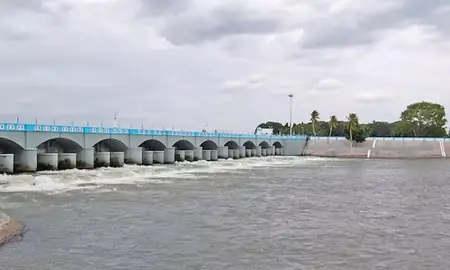
Tamil Nadu’s dream of reviving the Kaveri River through a Rs 14,000 crore masterplan hangs in uncertainty as assembly polls approach. The Nandanathai Vazhi project, critical for irrigation and environmental health, is mired in red tape and fiscal constraints, dimming hopes for a pre-election start.
The impasse gained political heat when former Chief Minister Edappadi K. Palaniswami lambasted the DMK for foot-dragging. Citing central approval, the AIADMK chief alleged deliberate obstruction by the state machinery.
WRD brass dismissed politicization, attributing sloth to inter-departmental hurdles. A senior bureaucrat revealed, ‘Finance clearance is pending, and syncing 12 departments—from water boards to electricity firms—is complex. The timeline simply doesn’t align with elections.’
Phase one’s Rs 934 crore outlay, backed 60 percent by the center (Rs 560 crore) and 40 percent by state (Rs 374 crore), focuses on 1,092 km from Mettur to Trichy. This includes overhauling tributaries such as Amaravati and Sarbanga. The downstream 214 km awaits phase two.
Ground realities paint a grim picture for delta agriculturists battling tainted waters. Farmer M. Ramasamy from Thiruvarur shared, ‘Pollution from industries has decimated aquatic life, destroyed yields, and polluted supplies. Earlier reports confirm the basin’s toxicity.’
Remedies in the blueprint encompass effluent treatment for industries, sewage infrastructure, and bank fortification. K.V. Elankiran of the farmers’ federation emphasized benefits for water-stressed zones: ‘ Districts at the delta’s edge survive on one crop yearly—this could transform livelihoods with year-round cultivation.’
The standoff between opposition barbs and official explanations reveals deeper systemic issues in executing large-scale river restoration amid Tamil Nadu’s charged political landscape.