
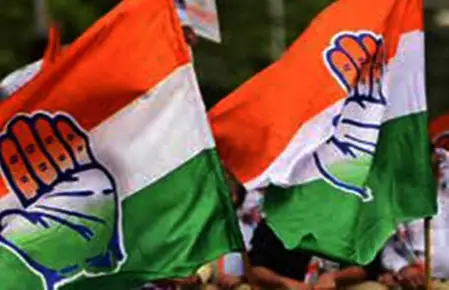
Defying the biting chill of February, women activists of Madhya Pradesh Mahila Congress turned Bhopal’s streets into a massive open-air kitchen on the 17th, protesting the unrelenting surge in living costs. Dubbed ‘Rasooi Sansad,’ the event masterfully blended symbolism with stark messaging, exposing the human cost of inflation through everyday household items.
State president Reena Borasi spearheaded the gathering outside the Congress provincial office. Protesters sprawled on the pavement with improvised chulhas, barren Ujjwala cylinders, and banners flaunting the prohibitive prices of staples like onions, tomatoes, and mustard oil. Slogans rent the air, amplifying the frustration of millions of homemakers.
In her impassioned speech, Borasi painted a grim portrait: ‘Inflation has robbed kitchens of their joy. Families are rationing meals while the government turns a blind eye.’ She criticized the irony of grand national budgets amid household penury, noting how subsidized cylinders remain unfilled, reverting women to smoke-filled cooking.
Demands were clear and urgent—immediate LPG price reductions, price stabilization for essentials, and tangible aid packages. Borasi challenged authorities: ‘How long can women sustain families on empty promises?’ The protest resonated deeply, capturing the pulse of economic distress affecting urban and rural homes alike.
Wrapping with a threat of statewide expansion, the Mahila Congress warned that inaction would unleash a torrent of similar demonstrations. This creative activism not only grabbed headlines but also ignited debates on policy failures, positioning women’s issues at the heart of opposition politics.