
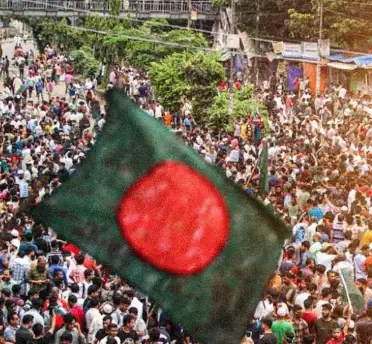
Election campaigning kicked off with a bang in Bangladesh, as BNP Secretary General Mirza Fakhrul Islam Alamgir invoked the ghosts of 1971 to rally voters against perceived traitors ahead of the February 12 polls.
In a fiery speech at Thakurgaon Sadar upazila’s BD High School maidan, the Thakurgaon-1 hopeful admonished the audience: ‘Don’t hand power to those who backed the Pakistani army right up to defeat. Your vote shouldn’t doom the nation.’ Fakhrul underscored the war’s legacy, ‘Bangladesh emerged from Pakistan’s chains through our valiant independence struggle. That’s our core identity—we must preserve it.’
He extended assurances to Hindus in attendance, countering widespread fears of targeted harassment nationwide.
Parallel accusations flew from Jamaat-e-Islami and NCP, who confronted the Chief Election Commissioner over opposition excesses. Jamaat’s Ehsanul Mahbub Zubair reported systematic violence: ‘Female cadres endure harassment, public shaming via forced veil removal, and gadget seizures. Without intervention, tensions will boil over before election day.’
NCP decried assaults on their Dhaka-18 bid and BNP’s purported government vehicle misuse in Dhaka-8. Leader Ayman Raha lamented, ‘Unpunished breaches foster dread and deny us a level electoral ground.’
Once collaborators in toppling Hasina’s Awami League, these factions are now locked in bitter power grabs. Fakhrul’s 1971 rhetoric taps into enduring war scars, potentially galvanizing BNP support while deepening communal rifts. As Dhaka watches closely, these developments signal a fiercely contested vote that could redefine Bangladesh’s political order.