
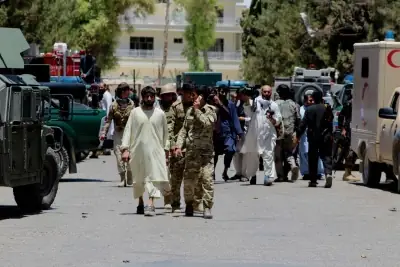
Returned Afghan deportees from Pakistan are breaking silence on egregious human rights abuses in detention centers, from beatings to starvation and extortion. Handed over at Spin Boldak border last week—over 500 strong—these survivors’ narratives expose a ruthless deportation machine.
Tolo News documented the surge in Pakistan’s operations against Afghan communities, funneling detainees to Balochistan jails before border pushbacks. Spin Boldak, a once-vital artery now restricted post-October shootouts, serves as the reluctant gateway home.
Personal horrors dominate the accounts. In Chaman, Akhtar Mohammad Hotak and family endured zero amenities: no food, water scarce, 100 souls in a single cell. Abdul Sattar, papers in hand, watched a paperless man buy freedom for 45,000 rupees. ‘Money talks; otherwise, it’s exile,’ he fumed.
Physical torment scarred many. Work-bound Mohammad faced interrogation turned assault in Karachi: ‘Afghan? Beat him.’ Pain lingers in his shoulder, a badge of ethnic prejudice.
Gendered violence compounded misery. Deportees reported leering at womenfolk, relentless harassment. Dost Mohammad’s two-week hell included no-rest nights, skeletal meals, and video-recorded degradations—women sprawled, men upright, all starved.
Calling for global intervention, analysts decry these acts as breaches of refugee conventions. With neighbors like Pakistan and Iran mirroring tough policies, the international community faces a moral imperative: probe, protect, and prevent further suffering for Afghanistan’s exiled millions.