
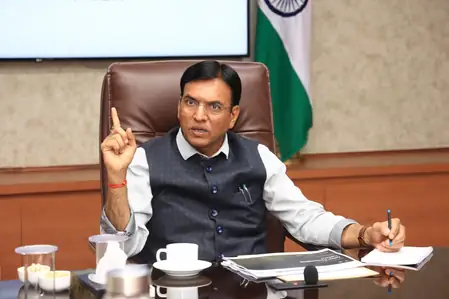
Thursday’s high-stakes conclave in New Delhi saw Sports Minister Dr. Mansukh Mandaviya dissecting India’s readiness for the 2026 Asian Games in Japan’s Aichi-Nagoya. Slated for September 19 to October 4, the event demands peak performance from over 700 Indian contenders across 40 disciplines.
Ministry and SAI leaders detailed progress, underscoring athlete-first policies. The 15-member committee—comprising PT Usha, ministry secretary Hari Ranjan Rao, Chef de Mission Sahdev Yadav, and Deputy Sharath Kamal—has held four sessions since December, refining training, logistics, and welfare frameworks.
Mandaviya’s message was direct: athletes come first. ‘We’ll provide everything—training tech, kits, meals, medical aid—so they chase medals unhindered,’ he said. He called for stakeholder harmony, warning that coordinated action is vital to top the 2022 Hangzhou medal tally of 106.
Hands-on measures abound. NSFs’ nodal officers are rolling out technical guidelines to teams. Early team selections ensure focused camps. Embassy tie-ups abroad smooth logistics; federations schedule exposures freely. Complex events get extra venue support, staff deployments, and environmental tweaks.
The Games’ dispersed five-cluster setup—venues in Aichi, Gifu, Shizuoka, etc.—necessitates robust travel and recovery plans. SAI’s Patiala and Bengaluru sites now host container mock-ups for acclimation training.
IOA’s recent Japan recce has tailored strategies: cluster-assigned logistics, medical, and support personnel for glitch-free execution. Athlete-focused innovations include team doctors, SAI-prepared Indian foods, discipline reviews, and capacity builds.
Upcoming March 20 meeting targets team compositions, itineraries, and ops fine-tuning. With this blueprint, India’s 2026 campaign eyes unprecedented success.