
Victory tastes sweetest when hard-earned, and India’s sixth U19 World Cup title proves it. Opener Vaibhav Suryavanshi, merely 14 years and 319 days young, unleashed 175 runs on England in the final, scripting history. But joy is tempered: He’ll miss the subsequent edition due to BCCI’s one-tournament-per-player policy from 2016.
Designed to expand India’s vast talent reserves, the rule ensures more kids taste the big stage. No longer can standouts hog multiple chances, fostering fiercer domestic competition.
Pre-rule, five trailblazers donned the India jersey twice. Their careers illuminate the U19’s role as a senior-team incubator.
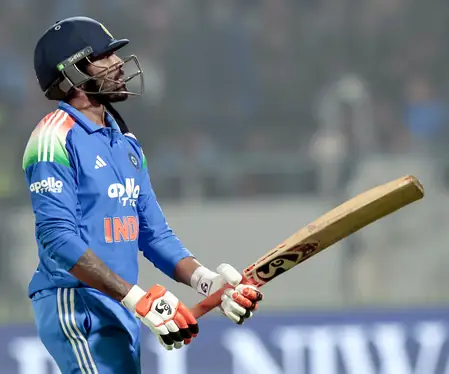
All-rounder Ravindra Jadeja featured in 2006 and the victorious 2008 edition under Virat Kohli, launching a stellar international career.
Fast bowler Sandeep Sharma’s 2010 and 2012 outings transitioned to IPL and two senior T20Is.
Vijay Zol’s 2012 participation led to 2014 captaincy, though IPL yielded just 29 runs at 14.5 average.
Avesh Khan played twice in 2014 before dominating 2016 with 12 scalps in six games.
Batsman Sarfaraz Khan impressed in 2014-2016, parlaying U19 success into IPL and Test honors. Teammate Ricky Bhui competed in both but underwhelmed.
Suryavanshi’s case reignites discussions on balancing youth prodigies with opportunity equity. BCCI’s stance prioritizes systemic health, potentially unearthing hidden gems overlooked in a repeat-heavy setup. India’s cricket dominance endures, rule or no rule.