
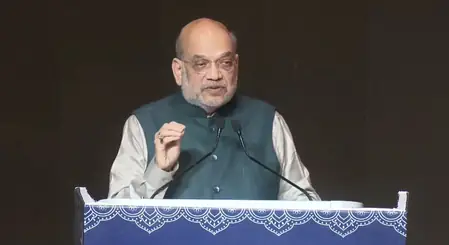
Union Home Minister Amit Shah laid out a blueprint for eradicating cyber fraud at a high-level national conference in New Delhi. Speaking on dismantling fraud mechanisms, he spotlighted the synergy among I4C, police units, CBI, NIA, ED, telecom, banking sectors, IT ministry, RBI, and judiciary in their relentless pursuit to reduce cyber offenses.
From January 2020 to November 2025, the I4C platform was tapped 23 crore-plus times, logging 82 lakh complaints that spurred 1.84 lakh FIRs and numerous closures. Shah described this as evidence of the portal’s critical role amid rising digital risks.
Anticipating the surge, the Home Ministry implemented a holistic approach: real-time alerts, forensic lab expansions, training initiatives, R&D investments, community education on cyber safety, and standards for secure online practices. Enhanced integration across these efforts will solidify India’s cyber defenses, he affirmed.
Launched in 2019, I4C stands as a cornerstone, bridging agencies, deploying infrastructure strategically, and executing swift actions against criminals. In praising CBI and I4C, Shah underlined the value of collective action, with each body leveraging its expertise—from enforcement to regulation and adjudication.
India’s digital transformation is staggering: 100 crore internet users (from 25 crore), over 100 crore broadband lines (16x growth), 97% cheaper data, 2 lakh panchayats on BharatNet (vs. 546), and UPI’s 2024 feat of 181 billion transactions totaling 233 trillion rupees—half of global digital flows, 97-99% digitalized.
The event’s core mission was to align stakeholders on cyber fraud’s scope, dynamics, and mutations, driving forward a resilient national response.