
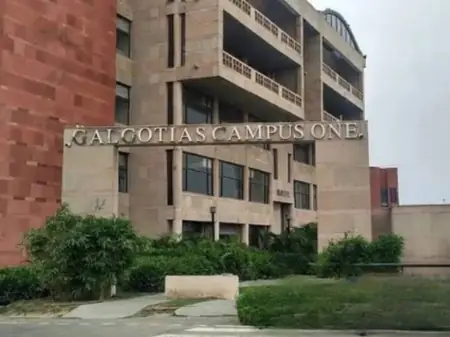
In the glare of the Bharat AI Impact Summit 2026, Galgotias University’s moment of pride turned to embarrassment when a Chinese commercial robot was passed off as indigenous tech. Greater Noida-based institution has now apologized, blaming an uninformed professor’s exuberance.
The controversy unfolded at the university pavilion, where ‘Orion’—revealed as Unitree’s Go2—was billed as a Center of Excellence breakthrough. Priced at 2-3 lakh rupees in India, the off-the-shelf product triggered social media fury, culminating in the stall’s removal from the expo zone.
Wednesday’s press release from Galgotias laid bare the facts: ‘We regret the confusion caused at the AI Summit. The pavilion representative lacked knowledge of the product’s technical origins and, thrilled by camera attention, disseminated wrong info—without press-speaking clearance.’
No organizational plot to fake innovation existed, they stressed, underscoring dedication to academic honesty, openness, and ethical presentation. Empathizing with organizers, the campus exhibit was dismantled without delay.
Communications Professor Neha Singh’s on-camera endorsement fueled the viral storm. Viewers swiftly debunked it, slamming the university for peddling fiction on India’s AI strides.
Before the mea culpa, Galgotias took to X to counter attacks. ‘Propaganda campaigns distress our faculty and students,’ read the post. Robotic initiatives teach AI programming via global resources, fostering real-world skill deployment—critical for today’s talent crunch.
‘Our focus: student learning and innovation through modern tech access for practical exposure and preparedness,’ it continued. Negative narratives risk crushing students’ zeal to innovate globally.
Beyond the immediate fallout, this saga spotlights verification gaps in academic demos. As summits amplify national tech ambitions, missteps like this can tarnish reputations swiftly. Galgotias’ forthright apology signals accountability, yet rebuilding digital trust will take time.