
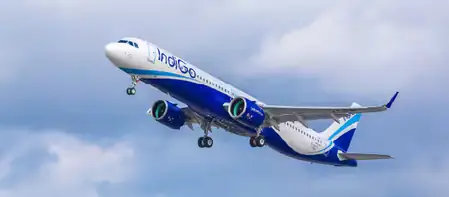
In a bold response to soaring fuel prices, IndiGo Airlines unveiled plans for a fuel surcharge on tickets starting March 14, affecting both home and overseas routes. The maximum hit? ₹2,300 per ticket, a direct fallout from Middle East strife jacking up jet fuel by more than 85%, as tracked by IATA.
The airline’s communiqué detailed a tiered structure: from modest ₹425 on short hauls to heftier amounts on longer ones. Operational costs have spiraled, leaving carriers with little choice but to pass on the burden.
Joining the fray, Air India and its express arm introduced ₹399 domestic fees from March 12. International passengers face $10 extras to West Asia, $30-$90 to Africa, and $20-$60 for Southeast Asia runs.
IndiGo framed this as a phased strategy to weather the storm, ensuring flights keep flying. Yet, for budget-conscious travelers, it’s a stark reminder of how distant conflicts inflate everyday journeys.
Looking ahead, the industry eyes fuel market stabilization, but with Middle East hotspots simmering, surcharges may stick around. IndiGo’s move reinforces its dominance while signaling wider sector pressures—higher tickets today for safer skies tomorrow.