
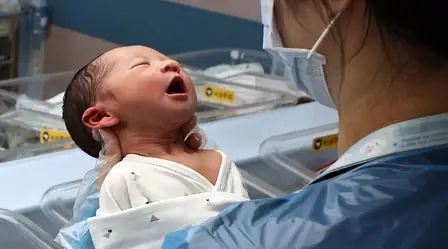
Fifteen years of falling births in South Korea reversed dramatically in 2025, with the fertility rate breaking its slump at 0.8. This post-COVID rebound, the strongest in over a decade, ties closely to wedding surges.
Ministry data logs 254,500 newborns, a robust 6.8% or 16,100 increase over 2024—the second rise since 2010. Final stats arrive in August, but trends are clear.
Pandemic delays sent marriages skyrocketing for 21 months straight from April 2024, directly boosting conceptions. Women aged 30+ , the key fertility group, have grown steadily since 2021.
From 0.75 last year, the rate jumped 0.05 points in four years’ biggest gain. Society’s evolving views shine in 2024 surveys: more post-marriage family aspirations, plus rising openness to non-marital births.
Projections see rates above 0.8 soon, targeting 1.0 by 2031. Countering this, deaths climbed 1.3% to 363,400, netting a 110,000 population dip.
This shift challenges South Korea’s ultra-low fertility reputation, potentially reshaping its future workforce and economy if momentum holds.