
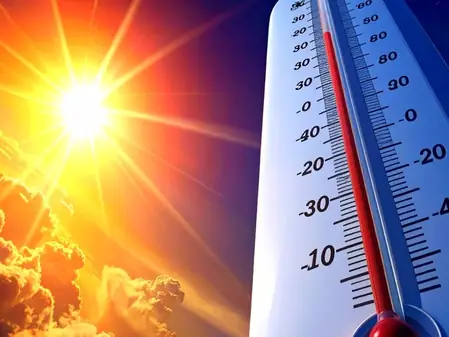
Even as March unfolds, fire outbreaks are plaguing key regions like Delhi, Noida, and Madhya Pradesh, inflicting heavy losses. This early surge ties directly to climbing temperatures and the sun’s celestial positioning—a phenomenon rooted in astronomy that’s turning routine heat into rampant destruction.
Post-Makar Sankranti, the sun heads north in Uttarayan motion. Northern India’s winter persists due to Earth’s axial lean, scattering sunlight obliquely and prolonging nights. Late March’s equinox brings parity to day-night cycles, heralding warmer days.
April ignites the furnace: sunbeams strike straight on, culminating at June 21 over the Cancer tropic. Heatwaves and loo blasts evaporate moisture, dropping ignition thresholds for everything from dry grass to urban debris. Northern land dominance accelerates warming, outpacing southern seas.
Fields blaze from spontaneous combustion, slums from faulty appliances, forests from lightning or human carelessness. The pattern peaks April-July, demanding systemic fixes: enhanced fire stations, awareness drives, and climate-resilient infrastructure.
As global warming intensifies these cycles, India faces a fiery future unless adaptation accelerates. Understanding the sun’s role is step one; action is the imperative.