
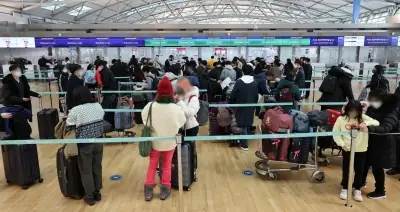
South Korean travelers caught in the crosshairs of rising Middle East volatility are streaming back to Seoul via emergency flight reroutes. The tourism sector’s rapid response has alleviated immediate dangers for those trapped in Dubai and beyond.
By Wednesday, the tally stood at over 400 affected tourists in Dubai alone—Hana Tour’s 150, Mode Tour’s 190, and Yellow Balloon Tour’s 70 forming the core group. Agencies have since mobilized to extract them efficiently.
Hana Tour led with 40 departures from Dubai on Thursday, touching down in South Korea late evening. Mode Tour followed suit, booking 39 seats on alternate carriers to Incheon. Approximately 330 individuals linger in Dubai, but firms project full clearances soon.
Operations in ancillary spots like Cairo and Jordan’s Amman proceed apace. A Hana Tour executive confirmed hitch-free returns from Egypt, while Yellow Balloon eyes weekend flights for its remaining clients there.
Economic shadows loom larger still. Ruling Democratic Party policy chief Han Ji-young-ae convened lawmakers to dissect threats to 200 trillion won in yearly exports to Middle Eastern powerhouses. The stakes involve half that amount in high-tech pursuits: smart cities, atomic facilities, and AI hubs.
‘Prolonged crisis could derail or scrap these 100 trillion won initiatives,’ Han warned, painting a stark picture of stalled innovation. Last week’s U.S.-Israel strikes against Iran amplified these fears, prompting a governmental pivot toward a 100 trillion won economic buffer plan.
This unfolding drama merges human stories of narrow escapes with macroeconomic maneuvering. As the last planes lift off from Dubai, South Korea fortifies its position, readying for a conflict that tests both its people and prosperity.