
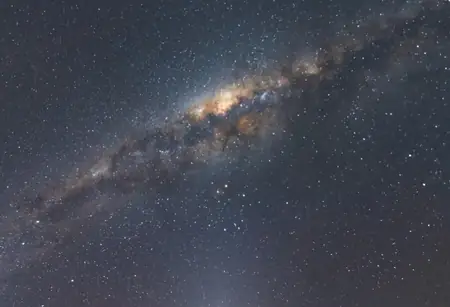
The night sky holds many secrets, but the zodiacal light stands out as a subtle masterpiece of reflected sunlight on cosmic dust. This faint, wedge-shaped radiance emerges along the ecliptic, mimicking dawn’s approach in the east or dusk’s linger in the west. It’s no optical trick but a genuine showcase of interplanetary debris illuminated by the sun.
Sourced primarily from comet vaporization and planetary collisions, these micron-sized grains form a vast disk around the sun. The light’s brightness peaks closest to the solar direction, tapering into darkness and crafting its signature conical form. Optimal viewing windows open in spring evenings and autumn mornings for northern latitudes, with tropical regions offering the most striking displays.
NASA’s Juno spacecraft provided compelling evidence linking Martian dust storms to this glow. High-velocity particles detected en route to Jupiter indicate Mars ejects material that disperses widely, fueling the zodiacal phenomenon. It differentiates itself from Milky Way starlight or atmospheric effects through its precise alignment and seasonal behavior.
For the best experience, seek out pristine dark skies free from artificial glare. As you gaze upon this ‘false dawn,’ consider how it reveals the solar system’s hidden infrastructure—a dusty testament to celestial mechanics at work.