
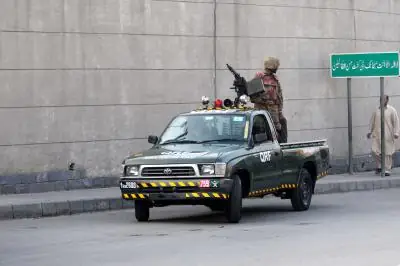
American travelers eyeing Pakistan face a sobering directive from the State Department: think twice before booking that flight. The updated advisory, splashed across Pakistani outlets like Dawn on Thursday, categorizes the nation at Level 3—high risk—for terrorism, criminality, and abductions, potentially sparking armed confrontations.
Terrorists strike without notice, zeroing in on transport depots, hotels, bazaars, malls, armed forces bases, airfields, rail lines, learning centers, clinics, holy sites, vacation havens, and administrative hubs. The breadth of targets underscores a nationwide peril.
Worse off are designated Level 4 pockets, such as portions of Khyber Pakhtunkhwa, deemed no-go zones. Assassinations and snatchings proliferate here, claiming officials and civilians indiscriminately. The plea is unequivocal: steer clear.
Heritage offers no shield; Pakistani-American dual nationals remain at risk. Proscriptions target Balochistan and Khyber Pakhtunkhwa (ex-FATA) for terrorism and kidnappings. Extremist violence, though epicentered in these realms, spills into urban giants like Karachi and Islamabad.
Navigational hazards include stringent anti-protest statutes. Forces track demonstrations, nabbing US citizens involved. Digital footprints—critiquing authorities online—invite custody.
Layered on this is the January 21 immigrant visa freeze affecting 75 countries, hitting Pakistan among South Asian peers. Pakistan’s Foreign Office anticipates a backlog but holds out for resumption.
For those undeterred, essentials include STEP registration, robust travel insurance with evac provisions, and constant awareness. The advisory distills a harsh reality: Pakistan’s tinderbox demands deliberate deterrence.