
In a call to arms for pharmaceutical transparency, US lawmakers are championing labels that reveal the birthplace of every drug Americans swallow. The Senate Special Committee on Aging’s hearing dissected the perils of outsourcing: nearly all generic drugs, dominating 91% of prescriptions, draw 94% of active ingredients from China and India.
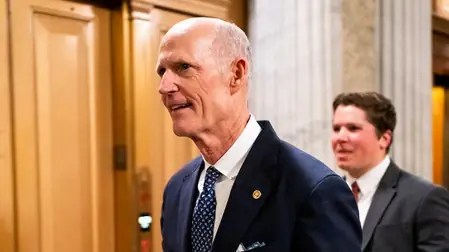
Senator Rick Scott’s ‘Clear Labels Act’ would enforce this revelation on all prescription packaging. Shocking stats emerged—doctors and patients clueless about sources, US inspectors struggling with overseas plants. COVID-19’s export curbs by India underscored the peril: no foolproof plan if supplies vanish, endangering public health and security.
Senator Ashley Moody decried the opacity trapping consumers, citing FDA flags on deadly impurities, bogus records, and filthy facilities—disproportionately risking seniors hooked on generics. Experts like Ohio State’s John Gray backed public data via QR codes, urging quality-based rivalry over mere cheapness, given predictable inspection loopholes abroad.
Michael Ganio of health pharmacists highlighted how origin facts sway choices toward trusted US/Canada sources, braking price plunges. Minnesota’s Stephen Schondelmeyer slammed double standards—mandatory labels elsewhere, optional for drugs—and praised India’s key role alongside spotty outputs, eyeing New Zealand’s system. Duke’s Steven Colville framed the big picture: shortages, quality woes, global risks, domestic revival bids.
With records open for law-drafting, this bipartisan drive, fueled by pandemic shocks, promises a transparency revolution. It could fortify supply chains, boost quality scrutiny, and lessen foreign dependencies, ensuring safer meds for all.