
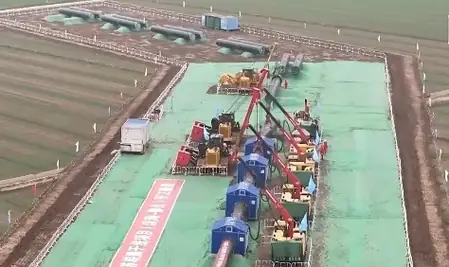
China’s energy sector hit a milestone on February 28 with the launch of construction for three flagship natural gas pipelines. At the forefront, the Jiangsu-Anhui-Henan trunk line emerges as the first major national oil and gas project in the 15th Five-Year Plan era, signaling a leap forward in the national gas network integration.
Complementing it, groundbreaking occurred for the Wen 23-Anqing gas pipeline in Anhui and Shandong’s North Trunk Line. Backed by over 30 billion yuan in funding, the trio targets enhanced connectivity and density in central and eastern pipeline grids.
The timing is impeccable. As consumption surges—driven by economic rebound and green transitions—these arteries will streamline supply chains. Expect sharper drops in transmission losses, broader access for underserved areas, and fortified resilience against disruptions.
From a broader lens, this underscores China’s infrastructure-first strategy. Pipelines like these bridge production hubs in the west with demand centers in the east, minimizing logistical hurdles. They also align with carbon neutrality pledges by promoting gas as a bridge fuel.
Stakeholders from energy firms to policymakers celebrate the move. Completion promises a more unified market, spurring investments and innovations. In essence, today’s launches propel China closer to an unbreakable energy backbone.