
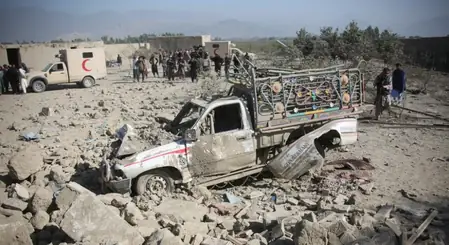
The United Nations has sounded the alarm on a surge of violence at the Afghan-Pakistani frontier, where 34 civilians perished and 89 were injured in Pakistani strikes between February 26 and March 1. This shocking tally, shared by spokesperson Stéphane Dujarric, includes many women and children, with figures still being compiled by UNAMA amid access hurdles.
Border communities bear the brunt as clashes hinder relief operations, leaving refugees in perilous straits. Pakistan initiated the latest round by bombing terror camps on February 21-22, prompting Afghanistan’s fierce reprisals.
Kabul’s military struck back at Pakistani installations near vital areas: Kabul outskirts, Ali Sher in Khost, Jalalabad, and Kandahar hotspots like Spin Boldak and Shorabak. Afghan forces claimed control of multiple posts, neutralizing three Pakistani troops and detaining one in Spin Boldak alone.
Tolo News corroborated seizures in Ali Sher, while exchanges continued with Pakistan launching ‘Operation Gajab Lil-Haq’—air raids on Afghan targets in Kabul, Kandahar, and Paktia.
Years of simmering disputes over militants and incursions have erupted anew. Pakistan accuses Afghanistan of hosting threats; Kabul points fingers at Islamabad. The result: a volatile border drawing in civilians and aid workers alike.
With refugee numbers set to swell, the UN implores both governments to halt hostilities. Yet, as fighter jets roar and ground troops clash, the path to peace remains obscured by recriminations and firepower. A diplomatic breakthrough is essential to avert catastrophe.