
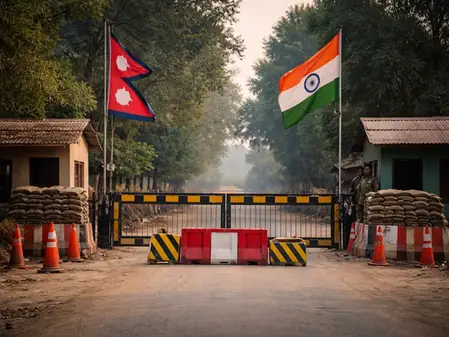
Nepal’s March 5 parliamentary elections will feature a significant security upgrade: all India-Nepal border checkpoints closing for 72 hours. This joint decision by APF and SSB officials is designed to create a secure environment, blocking potential saboteurs from across the frontier.
Friday’s meeting in Biratnagar marked the 16th DIG-level huddle, where strategies to harden border vigilance took center stage. The goal? Nip infiltration attempts by anti-election forces in the bud.
Speaking to reporters, APF’s DIG Vishnu Prasad Bhatt said Nepal sought the pre-poll shutdown two days early, and India concurred. The full 72-hour blackout covers election day and flanks it securely.
Bhatt highlighted this as longstanding tradition, given the massive security presence at vote centers. Preventing unwanted groups from slipping through is non-negotiable.
The dialogue expanded to holistic border management: tackling illegal immigration from third countries, trafficking in humans, counterfeit cash, arms, explosives, and narcotics. India’s alarms over terrorist incursions via the unfenced border – particularly from Pakistan and Kashmir – loomed large.
Further, they brainstormed on border post protection, passenger facilitation, shared patrols, rescue simulations, and sports diplomacy. Consensus emerged on mapping high-risk zones, threat analysis, migrant surveillance, and routine verifications.
This isn’t just about one election; it’s a blueprint for ongoing cooperation along the vital border. As Nepal heads to the polls, this alliance promises a disruption-free process, bolstering faith in its democracy.