
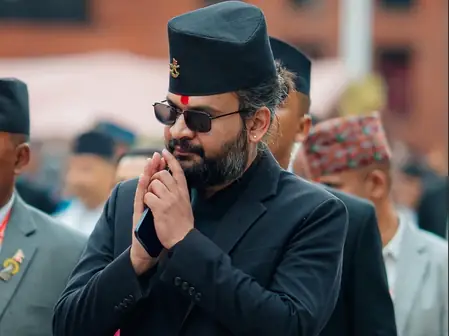
A seismic shift in Nepal’s election landscape: Balen Shah, the charismatic ex-Kathmandu mayor, has struck the Nepal-China Friendship Industrial Park from his manifesto while battling ex-PM KP Sharma Oli in Jhapa-5. This BRI-linked mega-project, rechristened from Damak Industrial Park, ignites debates over Chinese influence near India’s borders.
With March 5 polls looming under a post-protest interim setup, Shah’s edit draws eyes to the site’s sensitivity—abutting the Chicken Neck corridor. Indian officials decry the border placement, amplifying concerns over BRI’s debt-laden legacy.
Shah, RSP’s youth icon and engineer-rapper hybrid, withdrew from interim PM contention despite Gen-Z backing. His associate cites project disputes as the rationale for the cut.
Oli’s 41-point pledge, released recently, champions the park’s build-out—the same he inaugurated in 2021 amid his pro-Beijing leanings as UML chief.
Chronic BRI woes plague Nepal: party divides on funding, stalled projects, and fiscal traps akin to Sri Lanka. CSIF documents reveal tussles over China’s tax holiday demands and financing tweaks from grants to aid.
India drew a firm red line, yet Oli’s board pushed ahead. Shah’s decision reflects broader wariness, especially among youth wary of external dependencies.
This pre-poll purge positions Shah as a sovereignty sentinel, contrasting Oli’s embrace. It may sway voters in a contest laced with geopolitical stakes, redefining Nepal’s path forward.