
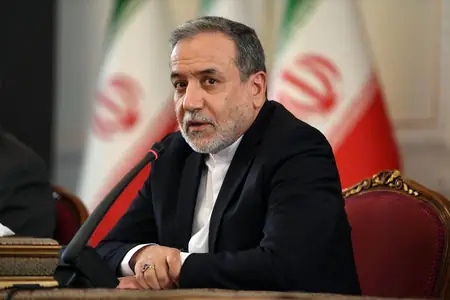
Diplomatic lines buzzed in Tehran Friday as Foreign Minister Seyed Abbas Araghchi connected with Egypt’s Badr Abdelatty and Russia’s Sergey Lavrov. The focus: fresh updates from indirect U.S.-Iran nuclear negotiations, particularly the second Geneva round.
Araghchi detailed to Abdelatty the push for a negotiation outline rooted in mutual respect and aligned interests. The Egyptian minister applauded the process, calling for ongoing dialogue to shape a viable path forward for all sides.
Lavrov’s discussion zeroed in on Iran’s nuclear status post-Geneva, with Russia voicing firm support. He insisted any deal must respect Tehran’s rights per NPT standards, fostering a just political resolution.
Tensions simmer regionally, with U.S. forces mobilizing more aggressively. Trump’s Thursday statement loomed large: Iran has a tight 10-15 day window for a nuclear pact, or risk severe fallout.
Wall Street Journal insights reveal Trump’s team eyeing surgical military options against Iran to compel concessions. Approved plans might strike key facilities imminently. Persistent defiance could escalate to sweeping assaults on governmental entities, targeting the core of Tehran’s power structure.
The president holds off on decisions, weighing measured hits against major campaigns. Araghchi’s ally consultations signal Iran’s bid to counter U.S. ultimatums through solidarity. In this powder-keg scenario, these talks with Egypt and Russia could prove pivotal, potentially averting or accelerating confrontation in the nuclear arena.