
In a city still reeling from the Bondi Beach terror attack, Israeli President Isaac Herzog’s arrival in Sydney sparked outrage from pro-Palestine groups, leading to widespread protests and police crackdowns. Invited by Prime Minister Anthony Albanese to commemorate the victims, Herzog’s Monday touchdown was overshadowed by rallies that escalated into skirmishes.
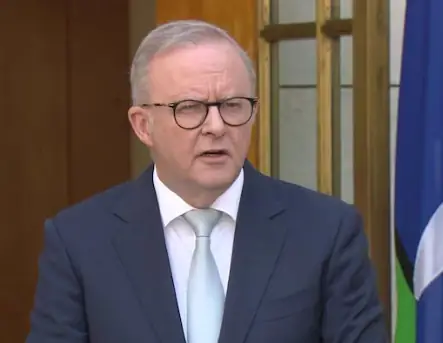
Deeply affected, Albanese condemned the violence during a Triple M interview. ‘People here want no fights and no murders—Israeli or Palestinian,’ he declared, appealing for rational discourse over aggression. He argued that brutality only diminishes legitimate aims.
Anticipating backlash, the PM had beforehand called for deference to the visit’s gravity, vowing to stand with Herzog beside grieving families. Criticism mounts against him from the Jewish community over perceived leniency toward antisemitism.
Sydney police confronted thousands at Town Hall, where unrest exploded as they enforced dispersal. Videos captured protesters charging barriers and sprawling on pavement, countered by officers using irritants. Twenty-seven arrests followed, 10 for assaults on police. Legal hurdles to containment tactics were overruled by courts.
The president avoided confrontation zones. Defending officers, Premier Chris Minns noted the perils of on-the-spot judgments. ‘NSW Police were thrust into difficulty,’ he remarked in a briefing, urging tranquility.
This flare-up exposes Australia’s fraught engagement with Middle East strife, testing Albanese’s leadership at a sensitive juncture. His plea for peace amid protests reflects broader struggles to balance free expression with public safety.