
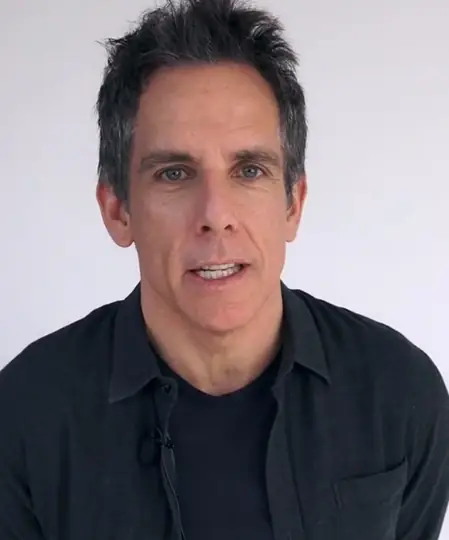
Ben Stiller, the comedic powerhouse behind films like Zoolander and Tropic Thunder, has ignited a firestorm by targeting the White House on social media. The trigger? An unauthorized clip from his 2008 Vietnam War satire appearing in an official video glorifying American military might.
Posted on X, the White House montage spliced Hollywood gold—Top Gun, Superman, Transformers, Breaking Bad, Iron Man—with Tropic Thunder’s over-the-top scenes, overlaying actual combat footage. The provocative caption: ‘Justice the American way.’ Stiller fired back immediately: ‘Hey @WhiteHouse, please take down the Tropic Thunder clip. We didn’t license it to you and have zero interest in being part of your propaganda machine. War is not a movie.’
He’s far from alone in this resistance. A roster of music icons—Celine Dion, Bruce Springsteen, Linkin Park, Neil Young, Olivia, Radiohead—have similarly condemned the White House’s content grabs. Fresh off Kesha’s protest this week, where her hit ‘Blow’ soundtracked a missile strike video, the pattern is clear.
Kesha vented on Instagram: ‘Using my song to threaten war is disgusting and inhumane.’ White House Communications Director Steven’s snarky reply? Reposting her rant with, ‘These singers keep giving us free publicity.’ It’s a tactic that amplifies reach, turning backlash into buzz.
Historical parallels abound, from Trump administration’s controversial ICE raid video to ongoing debates on cultural appropriation in politics. Stiller’s intervention not only spotlights licensing ethics but also critiques the gamification of geopolitics. As Hollywood pushes back, this saga reveals deepening rifts between entertainment and executive power, with implications for free speech and artistic integrity in the digital age.