
Tariq Rahman’s cabinet expansion post-BNP’s electoral triumph brings minorities to the forefront, with Hindu leader Nitai Roy Chowdhury and Chakma politician Dipen Dewan among 25 new ministers. The February 17 swearing-in at Dhaka’s National Parliament emphasized representation amid cheers from supporters.
From Magura-2, Chowdhury’s 147,896-vote haul crushed Jamaat’s candidate, affirming his role as BNP’s tactical mastermind. Speculation had favored Goyeshwar Chandra Roy, a 1990s-era minister, but Chowdhury’s ascent marks a new chapter for Hindu politics in Bangladesh.
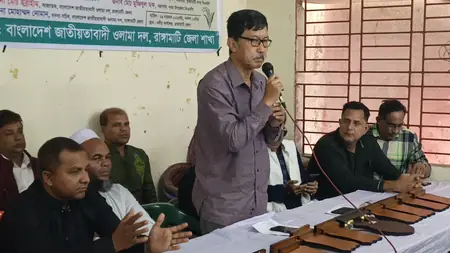
In Rangamati, Dewan’s win over a local independent solidified Chakma interests, blending ethnic and potential religious minority advocacy into the fold.
The roster boasts names like Iqbal Hasan Mahmud, Abu Zafar Mohammad Jahid Hossain, and Shahiduddin Chowdhury Annie, with oaths administered by CEC amid leadership vacuums. Rahman’s decision to sideline the Yunus-led council signals BNP’s independent path forward.
This formation isn’t just ceremonial—it’s a calculated outreach, fostering trust among Hindus, Buddhists, and others. As the 13th parliament convenes, expect debates on reforms, security, and inclusion that could redefine Bangladesh’s democratic fabric.