
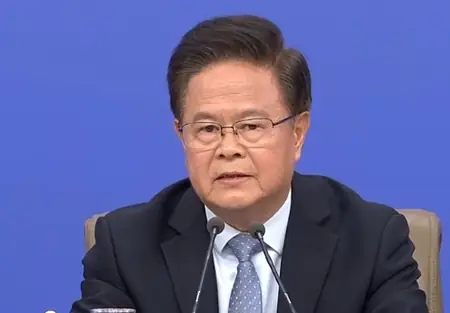
Fresh from Beijing: China’s additional GDP is on track to hit 60 trillion yuan in the current year, as declared by NDRC chief Zheng Shanjie. Speaking at the 14th National People’s Congress presser on economic matters, Zheng framed this as a bedrock for steady employment, improved livelihoods, and proactive risk management.
The revelation comes at a pivotal moment, with the 15th Five-Year Plan on the horizon. Services are tipped to exceed 1,000 trillion yuan in aggregate size, fueled by strategic thrusts into emerging sectors. Peito, China’s indigenous navigation constellation, exemplifies this drive. Officials aim to scale related industries past 10 trillion yuan in five years, enhancing everything from e-commerce mapping to military precision.
No less ambitious is the ‘AI Plus’ campaign, set to supercharge industries nationwide. Projections indicate AI-linked economic activity surpassing 100 trillion yuan by 2030, marking a seismic shift in productivity and innovation.
Zheng’s briefing wasn’t mere optimism; it’s backed by policy levers like fiscal stimulus and R&D incentives. This comes against a backdrop of moderating growth targets—around 5% for 2024—but with emphasis on quality over quantity. For context, 60 trillion yuan equates to roughly 8.5 trillion USD, dwarfing many nations’ entire GDPs.
International observers note implications for supply chains and tech rivalries. As China fortifies its ‘dual circulation’ model, blending domestic strength with global ties, it challenges assumptions of Western dominance. The NPC’s proceedings will likely unpack implementation tactics, from subsidies to regulatory reforms.
In sum, these forecasts reaffirm China’s role as the world’s growth engine, blending macroeconomic muscle with frontier tech to navigate a multipolar world.