
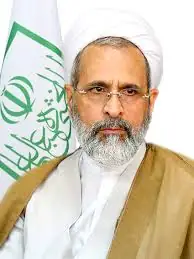
Hours after a US-Israel airstrike obliterated Ayatollah Ali Khamenei’s Tehran residence, Iran moved decisively to name Ayatollah Alireza Arafi as interim Supreme Leader, according to official announcements on March 1.
Khamenei, Supreme Leader since 1989 and heir to the 1979 Revolution’s founder Khomeini, defined Iran’s theocratic governance. The attack’s success has exposed vulnerabilities, prompting a constitutional response.
Governance now rests with a trio: President Pezeshkian, Chief Justice Mohseni Eje’i, and a cleric from the Guardian Council. This council holds the fort per Iran’s charter until the Assembly of Experts—88 elite clerics controlling politics, armed forces, and institutions—finalizes a new leader.
Arafi, a 1959 Meybod native, is no stranger to power centers. As Guardian Council member, he vets laws and monitors polls; he helmed Al-Mustafa University for a decade until 2018 and joined the Supreme Cultural Revolution Council in 2011.
Experts view this as a stabilizing tactic in volatile circumstances, with implications for Iran’s proxy wars, nuclear program, and diplomacy. The Assembly’s deliberation will be a focal point, testing the regime’s resilience.