
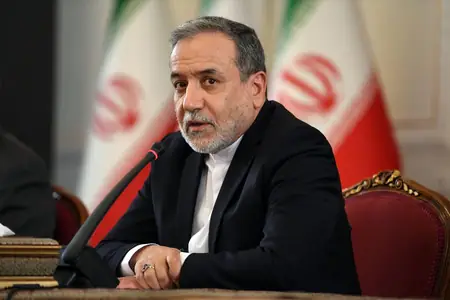
Diplomatic engines are revving up again in the Iran-US nuclear saga. Foreign Minister Seyed Abbas Araghchi left Tehran Wednesday, spearheading Iran’s political team to Geneva for the latest indirect parleys—the third such effort. Simmering discord, exacerbated by US troops stationed across West Asia, underscores the urgency of these discussions.
Araghchi’s Tuesday X post set the tone: Iran resumes US talks Thursday, armed with dedication to equitable terms. He spotlighted a rare chance for a landmark pact tackling both nations’ anxieties and upholding joint priorities. Prioritizing statecraft over saber-rattling makes compromise achievable, he argued forcefully.
Iran’s Parliament Speaker Mohammad Bagher Ghalibaf reinforced the multifaceted strategy, keeping doors open to US engagement via prestige-preserving talks or regret-inducing countermeasures. President Trump, for his part, favors diplomacy to defuse Iran tensions but stands resolute: no nuclear weapons for Iran, period.
Deputy Foreign Minister Majid Takht Ravanchi amplified hopes in an NPR spot, stating Iran’s willingness to meet all deal requirements. With genuine intent, Tehran enters Geneva expecting American reciprocity. Political resolve, he forecasted, paves the way for prompt resolution.
Observers worldwide monitor this juncture closely. Positive breakthroughs could ease Middle East strains, validate negotiation’s power, and avert escalation spirals. Iran’s proactive dispatch of its top diplomat signals seriousness, yet outcomes hinge on mutual flexibility amid entrenched mistrust and high regional stakes.