
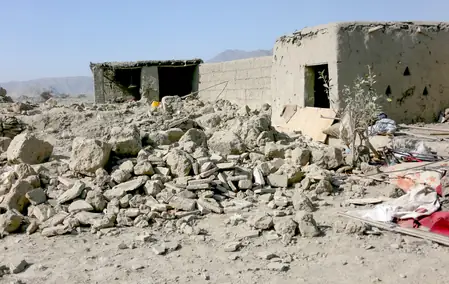
The Pakistan-Afghanistan frontier, long a tinderbox of tribal loyalties and insurgent shadows, has ignited into full-scale combat. Pakistan’s army kicked off Operation Gajab Lil-Haq with relentless airstrikes on Friday, zeroing in on Taliban bases across Kabul, Kandahar, and Paktia. Triggered by Afghan offensives, the campaign showcases Pakistan’s aerial dominance, raining destruction on an adversary lacking comparable defenses.
Dawn broke with reports of abandoned Taliban vehicles seized by Pakistani forces after fighters scattered in panic—a scene repeated at ravaged Afghan posts in Warsak and border terminals. ‘Our forces are primed for border defense and decisive counterstrikes,’ a military statement declared. Prime Minister Shehbaz Sharif echoed this resolve, balancing peace overtures with ironclad warnings against aggression.
Numbers clash fiercely: Pakistan heralds 133 enemy combatants slain and over 200 wounded, per Information Minister Ataullah Tarar. Taliban spokesmen retort with lighter figures—eight dead, 11 injured—and counterclaims of 55 Pakistani deaths, plus conquests of two bases and 19 outposts. Explosions lit up Kabul and Kandahar skies overnight, with locals spotting Pakistani jets in action.
A pivotal presser looms at 4 PM from ISPR DG Lt. Gen. Ahmad Sharif Chaudhry, promising clarity on the unfolding crisis. This isn’t mere skirmish; it’s a declaration of open hostilities, rooted in enduring grievances over militancy and sovereignty. As both nations trade blows and tallies, the international community braces for ripple effects, from refugee surges to proxy entanglements that could engulf the region.