
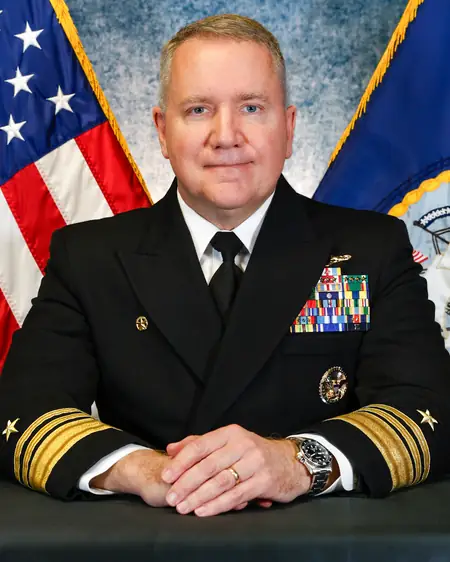
In a congressional hearing that exposed simmering tensions beneath the waves, US Navy brass warned of China’s bold bid to shatter American undersea dominance. Vice Admiral Richard Seaf and Rear Admiral Mike Brooks, speaking at the US-China Economic and Security Review Commission’s ‘Your World Beneath the Waves’ session, revealed Beijing’s scale-tipping submarine investments.
Seaf, submarine forces chief, declared the US lead intact yet strained. Vital for Indo-Pacific staying power, this superiority risks fading without action. China counters with swift sub overhauls, superior sub-hunting tools, and the infamous seabed ‘underwater Great Wall’ sensor array.
The strategy boxes in US operations near chokepoints and inside the First Island Chain’s vital corridors. Seaf broke down US pillars: survivable stealth ops, strike power, sea control/denial, strategic depth. Subs’ invisibility anchors crisis deterrence.
Minor Chinese gains in silencing, detection, armament could unbalance flashpoints. Seaf prescribed readiness primacy, industrial fortification, swift repairs, unmanned tech, ally syncing. ‘Operational submarines win wars,’ he pithily noted.
Intelligence head Brooks backed the alert: China’s 60-sub armada—nuke attacks, missile boomers, diesel elites—ranks world-class. Nuclear buildup and production surges eye 2030s supremacy.
A ‘system-of-systems’ assault integrates assets to shadow US subs strategically, hiking crisis stakes. UUVs, sensor webs, ocean mining investments tie navy to seabed control.
By 2040, PLA subs may erode US sea control, tangling regional defenses. Not total transparency, but targeted covert erosion—with global data/finance hinging on secure cables.
India watches as China’s subs prowl the Indian Ocean more assertively. Hearing takeaway: US edge endures, but demands unyielding commitment amid deepening undersea duel.