
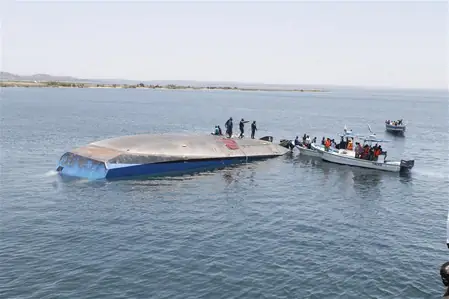
A routine river journey turned fatal in Sudan’s Northern State, where a boat carrying dozens overturned due to turbulent waves, killing 15 and leaving four missing. The incident occurred on the Nile between Taiba al-Khawad and Deim al-Karai, with the passenger list exceeding 27, including women, children, and the elderly.
Quick response from civil defense units allowed for the rescue of eight individuals and recovery of the victims’ bodies. Yet, the search for the missing quartet presses on amid challenging river conditions. Reliable sources confirmed the details, painting a grim picture of the sudden mishap.
The Sudan Doctors Network stepped in with an official confirmation, rallying community and official support for intensified searches. They lambasted systemic failures in river transport, from subpar safety equipment to overlooked protocols, and implored leaders to form dedicated rescue squads with state-of-the-art recovery tech.
Beyond immediate aid, the organization pushed for sweeping changes to fortify Nile travel safety, aiming to eradicate repeat tragedies. Sudan’s rural landscapes, dotted with villages separated by the vast Nile and few bridges, breed dependency on these precarious vessels—especially risky in flood-prone periods.
Civil authorities have issued repeated advisories against such hazardous voyages. This event not only claims lives but exposes deep-rooted infrastructural deficits. As the nation reflects, the focus sharpens on bridging gaps—literally and figuratively—to protect its people.