
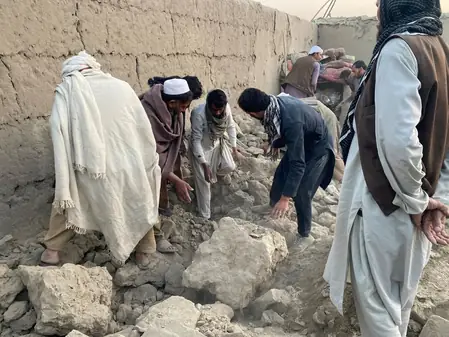
A wave of bloodshed across the Durand Line has left 31 Pashtuns dead within 48 frantic hours, triggered by Pakistan’s aggressive cross-border actions. Airstrikes hammered Afghanistan’s Nangarhar province—Bisud district specifically—on February 20 and 21 nights. Pakistan insisted on TTP targets, but Afghan officials and on-ground reports confirm a residential strike wiped out 17 civilians: 11 children, women included.
No militant camps marred the rubble-strewn scene, per leaked defense imagery—just devastated family dwellings and tiny shrouded corpses awaiting burial. Echoes reverberated back home as mortars in Khyber’s Tirah Valley hit a passenger vehicle, snuffing five Pashtun lives (two minors). Protests erupted at a checkpoint; troops unleashed bullets, felling four and maiming five.
The tally—26 in Pakistan, five in Afghanistan—ignites scrutiny of recurring violence. Over 168 Pashtuns gone in Pakistan’s anti-terror drives since January 2025; 88 civilians from Afghan strikes in the latter half of 2025-early 2026. Three hallmarks: civilian-heavy tolls in Pashtun zones, reclassified as terror ops, fixating on residences, transports, villages, rallies.
With TTP entrenched in Pashtun turf, Pakistan alleges symbiotic insurgent-civilian ties. Detractors call it a veil for mass reprisals—operational zoning of hamlets, suspicion-led demolitions, resident-targeted barrages, protester executions. Analysts warn this transmutes counter-terror into ethnic warfare.
Post-partition military hierarchies, Punjab-led, breed Pashtun distrust amid garrisons, curfews, forts, abductions, wreckages, airstrikes. Perceived as engineered suppression, these killings under dual flags stoke narratives of wholesale vilification over Pashtun protection.