
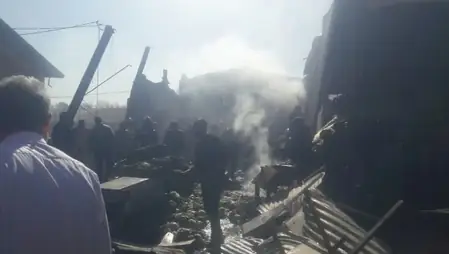
Central Iran’s skies turned deadly Tuesday when an Army aviation helicopter spiraled out of control, crashing into a local produce market and killing four. State-affiliated Tasnim agency detailed how the chopper from Isfahan province struck in Khomeini Shahr county, claiming the lives of the flight crew and two bystanders.
Firefighters and medics arrived posthaste, dousing flames and securing the site. The crisis management head in Isfahan lauded the response, noting no further casualties amid the chaos.
Geopolitics casts a long shadow over the tragedy. President Trump’s strike threats have Iran on edge, with U.S. cargo planes ferrying troops and arms to nearby bases nonstop. Sanctions bite hard, starving Iran’s aging aircraft of spares and fueling a pattern of crashes—like the Hamadan jet downing that took one pilot’s life mid-training.
This isn’t isolated. Years of embargoes have left the military’s air wing dilapidated, prompting official laments over spare parts shortages. The civilian toll in this incident intensifies scrutiny, as a military asset endangers everyday citizens.
Probes will dissect the cause—be it engine trouble or pilot error—but the broader narrative is clear: Iran’s aerial arsenal is fraying under pressure. With regional flashpoints ablaze, such setbacks could tip delicate balances toward conflict.