
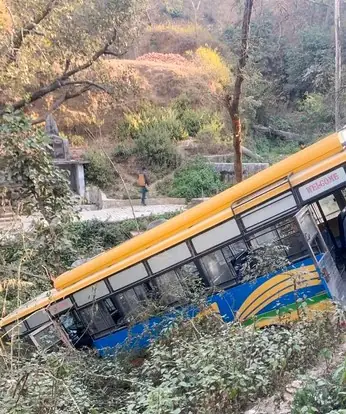
In a devastating incident, 18 lives were lost when a Kathmandu-bound bus from Pokhara plummeted into Nepal’s Trishuli River in Dhading’s central district. The early morning accident in Benighat Rorang’s Bhaishigauda area saw the overloaded vehicle drop 300 meters from the highway, sparking a massive rescue amid Nepal’s unforgiving topography.
Chief District Officer Vijay Raj Subedi provided updates, stating 17 bodies awaited formal verification while 27 injured passengers were evacuated to nearby clinics and the capital’s hospitals. The bus held 44 souls at the time of the 1:30 AM crash.
Multi-agency response teams—including army units, armed police, and locals—faced nightmarish conditions: pitch-black hours, steep drops, and scant gear delayed extrications until 6:30 AM for the primary phase.
Subsequent reports from District Traffic Chief Shishir Thapa and rescue chair Rajkumar Thakuri confirmed 18 deaths and 25 hospitalizations, with over 35 passengers originally aboard. The plunge’s trigger eludes investigators, as footage suggests the bus held its path.
This horror spotlights Nepal’s road fatality epidemic. From 4,999 crashes reported ten years prior, numbers swelled to 7,669 in 2024-25, with 190 deaths and 278 severe cases. World Bank research quantifies the fallout: injury costs tripled post-2007, hitting 1.5% of national output, while the poor suffer most—70% of deaths involve pedestrians, cyclists, and bikers.
As vehicles flood winding, poorly maintained highways, the nation confronts a public health and economic emergency. Enhanced safety measures, from better roads to rigorous policing, are imperative to avert more such irreplaceable losses.