

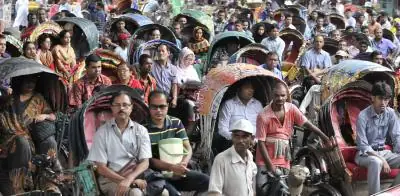
The story of Dhaka’s rise is one of economic promise undermined by rampant disarray. Bangladesh’s capital has ballooned in scale and residents over the past decades, yet it falls short of modern metropolitan standards. A Saturday report dissects this paradox, spotlighting unplanned growth and administrative failures at every turn.
Residents endure endless traffic hell, haphazard housing, and failing basics like electricity, water, and gas. No parks dot the horizon, sidewalks are a rarity, and pollution—auditory and atmospheric—reigns supreme. As detailed in Prothom Alo, systemic management deficits cripple the entire metropolis.
Informal settlements are metastasizing, drawing attention through evictions and infernos. Urban shifts have altered population dynamics, but planners overlook daily realities: how families reside, labor, connect socially, and build communities.
Worrisome trends include soaring child marriages, malnutrition epidemics in youth, subpar schooling, crime spikes, and healthcare barriers. Echoing this, the July 2025 Economist Intelligence Unit survey placed Dhaka 171st in global livability, faltering in key areas like stability, medical care, cultural offerings, eco-friendliness, learning, and infrastructure.
World pollution charts regularly damn Dhaka as a toxic hotspot. Congestion paralyzes progress, conjuring visions of suffocating crowds. Poor sewers and oversight mean floods and filth are constant companions.
Dust from nonstop construction veils the city in desolation. Add poverty, divides in society, healthcare strain, and governance woes, and the recipe for urban despair is complete. Dhaka’s trajectory demands immediate, bold intervention.