
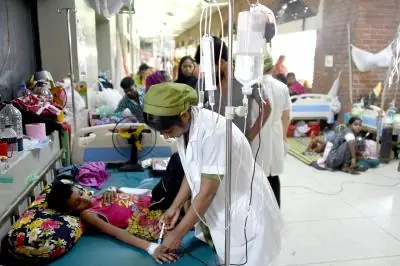
Bangladesh faces a mounting healthcare apocalypse driven by industrial pollution, with Dhaka at ground zero. An in-depth report reveals how unchecked emissions from factories are catalyzing a public health nightmare, straining resources and lives alike.
Boasting only a sliver of worldwide CO2 output, Dhaka nonetheless suffers abysmal air quality, rivaling the planet’s worst. This has unleashed a torrent of breathing disorders—asthma, pulmonary cancers, bronchitis, pneumonia, and COPD—hammering the population.
The country’s low-elevation plains trap fumes, magnifying climate threats. With 174 million inhabitants and UN projections eyeing megacity status for Dhaka by 2050, the stakes couldn’t be higher.
Dr. Mustafizur Rahman of the National Institute of Diseases of the Chest and Hospital sounds the alarm: sustained pollution risks total health system ruin. Slum proximity to industries means constant exposure to deficient sewage and infectious risks.
Proliferating brick fields, apparel plants, and leather works spew venomous smoke and poison water bodies with effluents. Medical costs plunge families into poverty, prompting desperate, often fatal, journeys to Europe via illicit routes.
Assistant Professor Dr. MD. Safiun Islam describes chaos in hospitals: patient numbers have surged dramatically in half a decade, ICUs perpetually besieged amid political unrest. ‘Pollution sources demand emergency intervention,’ he declares.
Rahman advocates industrial relocation, sanitation drives, and voter-mandated reforms ahead of the February 12 polls—marking the post-Hasina era. Proper urban planning is essential to shield Bangladesh from environmental Armageddon.