
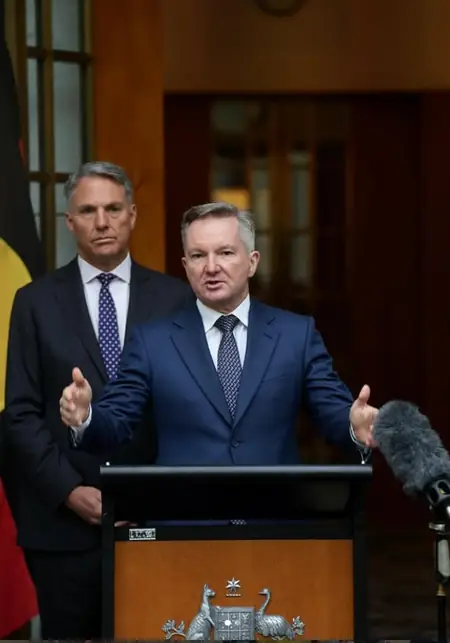
Australia’s government is rolling out ‘dirty fuel’ to combat fuel price surges and supply bottlenecks, with ambitions to pump an extra 100 million liters into the market each month. This 60-day relaxation of sulfur limits marks a stark departure from the country’s rigorous quality norms, driven by urgent domestic needs.
Energy Minister Chris Bowen announced the specifics in a parliamentary address, noting the temporary hike in allowable sulfur levels for gasoline and diesel. These standards, designed to minimize emissions and engine wear, are being flexed to let refineries boost volumes rapidly amid global supply jitters from the Iran-related US-Israel tensions.
The strategy hinges on simplifying production: less sulfur removal means quicker turnaround and higher yields. Projections indicate 10 crore liters added monthly, a lifeline for transport networks, businesses, and families facing pump prices that bite into budgets.
Assurances abound that this is no permanent shift. Environmental watchdogs and health experts will scrutinize data throughout, ensuring reversibility after two months. It’s a high-stakes gamble, balancing crisis response with sustainability commitments.
In the broader picture, this move reflects how interconnected energy markets amplify distant conflicts into local headaches. Australia’s proactive stance could stabilize its economy, but it raises questions about the costs of compromise in a net-zero world.