
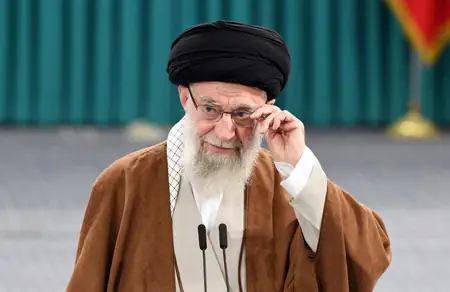
Ayatollah Ali Khamenei’s assassination in a US-Israel operation has experts sounding alarms over its profound global economic repercussions. Far from delivering the regime change touted by Washington and Tel Aviv, the killing risks plunging the world into financial disarray.
After four decades-plus of iron-fisted Shia leadership, Iran’s vow of vengeance has inflamed the region. Strait of Hormuz disruptions and Dubai Airport shutdowns signal acute trade interruptions, amplifying vulnerabilities in energy markets.
Former diplomat Veena Sikri warned of dire straits: ‘A huge blow to the world economy at a time of supposed diplomatic breakthroughs.’ She revealed how Oman-brokered Geneva talks faltered—initial optimism about Iranian compromises shattered by Israel’s bold first move, bolstered by US involvement.
KP Fabian, another seasoned voice, acknowledged the military prowess: impeccable intelligence razed Khamenei’s hideout, claiming his inner circle. ‘Significant victory, but regime transformation? Unlikely,’ he cautioned, highlighting semantic pitfalls.
Delving into history, Mahesh Kumar Sachdev portrayed Khamenei as a master balancer—pragmatic in practice, unyielding in faith. For 36 years, he harmonized revolutionaries, neighbors, proxies, and domestic pillars like religious authorities and economic influencers, ensuring regime resilience despite accusations of callousness.
The fallout is already evident: surging commodity prices, halted shipments, and investor panic. As retaliatory spirals threaten, policymakers worldwide must confront this new reality. Khamenei’s end doesn’t herald stability; it unleashes unpredictability with cascading effects on growth, inflation, and security.