
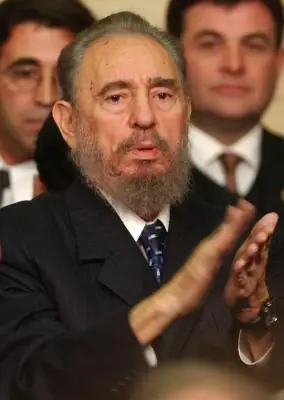
The world watched as Fidel Castro, on February 19, 2008, officially ended his iron grip on Cuban leadership, concluding almost 50 years of transformative rule born from the 1959 revolution. This handover wasn’t abrupt; it followed years of health struggles and subtle shifts in the island’s fortunes.
Castro’s triumph over Fulgencio Batista ushered in communism, aligning Cuba with Moscow and antagonizing the U.S. The Missile Crisis of 1962 epitomized the high stakes, with Soviet nukes in Cuba nearly igniting World War III. Unbowed, Castro built a narrative of resilience against imperialism.
Social achievements shone brightest: literacy jumped from 60% to 99%, and life expectancy rivaled developed nations through community clinics and biotech prowess. But the flip side—political prisons, censorship, and economic stagnation—fueled waves of exodus and international condemnation.
In 2006, intestinal surgery sidelined him, passing provisional power to Raul. The 2008 resignation paved the way for pragmatic tweaks: allowing casas particulares (home stays), remittance flows, and cautious private sector growth. Fidel critiqued excesses from the sidelines.
Diplomatic breakthroughs peaked with Obama’s 2014 visit, dismantling travel bans and fostering trade. Trump’s hawkish pivot reinstated restrictions, compounding woes from lost Venezuelan oil. Current leadership under Díaz-Canel battles hyperinflation and unrest, experimenting with dollar stores and SME laws. Cuba today reflects Castro’s paradox: a beacon of equity amid hardship, its revolutionary fire dimmed but not extinguished.