
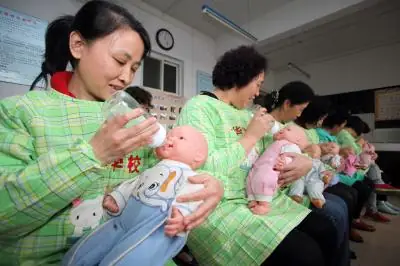
China’s demographic engineers are in panic mode. After enforcing the draconian one-child policy for nearly four decades, the Communist Party is now begging citizens – especially women – to boost birth rates amid a freefall that’s threatening the economy.
The numbers are brutal: 2025 births totaled just 7.92 million, plunging 17% from 2024 and hitting a record low fertility rate of 5.63 per 1,000 since 1949 censuses started. This despite relaxing rules to two children in 2016 and three in 2021.
Historical scars explain the resistance. The policy inflicted widespread trauma – coerced abortions, sterilizations, heavy fines – while son preference warped gender balances, creating 30 million more men than women. Today’s youth face a different nightmare: unaffordable homes, cutthroat job markets, and ‘996’ work cultures that punish motherhood.
Propaganda posters and subsidies aim to lure families, but many couples opt out. ‘Why risk careers and finances for kids in this system?’ they ask. Analysts decry the irony: a regime that once crushed personal choice now demands sacrifice for national survival. With aging populations straining resources and fewer workers ahead, China’s leaders face their biggest challenge yet. Policy pivots alone may not suffice; deeper reforms on equality and affordability are essential to avert collapse.