
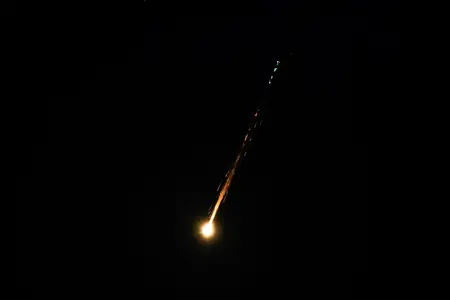
Remote corners of Pakistan’s Balochistan province are under siege from the Iran-Israel-American showdown, manifesting in acute fuel and food deficits. Border hotspots—Gwadar, Kech, Panjgur, Chagai, Washuk in Makran and Rakhshan—are gripped by panic buying and price gouging, with essentials up 40 percent as Iranian supplies vanish.
Dependence on Iran runs deep: 80 percent of fuel and staples come cheaper across the line than from Pakistan’s heartland. Protests earlier this year drew a 30 percent-plus export tax from Tehran; the war has since imposed outright bans, halting trucks laden with flour, cooking fats, dairy, LPG, petrol, and diesel.
Makran Traders Alliance head Ishfaq Roshan Dashti warned of catastrophe. ‘Trade across the border? Nonexistent since hostilities peaked.’ Coastal markets in Gwadar, Jiwani, Pasni, Ormara bear 30-40 percent hikes. LPG doubles to 600 PKR/kg; diesel, cooking oil leap 60-70 percent, notes The Balochistan Post.
Inland Mashkel fares no better. Trader Khuda Dad stressed geographical woes: ‘No solid roads to other Pakistani regions—we’re Iran-bound by default.’ Fishing in Gwadar stalls, imperiling livelihoods tied to the sea amid fuel famine.
Flashpoint origins trace to U.S.-Israel joint operations crippling Tehran’s military, felling elite figures like Khamenei. Iran’s drone-missile reprisals hammered U.S. assets and allies, fueling a volatile spiral.
Balochistan’s plight reveals war’s domino effect on fragile economies. With stocks depleting and alternatives scarce, communities brace for prolonged hardship. Relief efforts and border reopenings loom as critical, yet distant, hopes.