
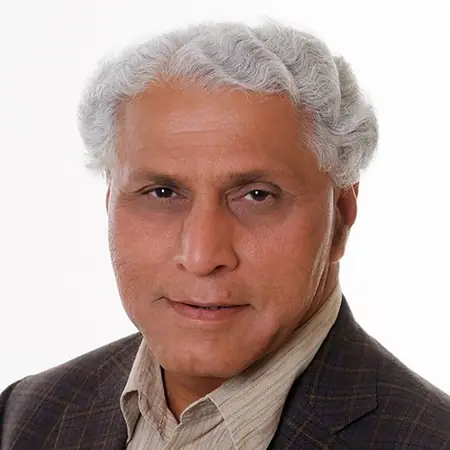
Tech mogul Romesh Wadhwani captivated audiences at a CSIS conference in Washington, asserting that AI policy will fundamentally mold economies, superpowers, and social fabrics worldwide.
Preceding India’s AI Impact Summit, his speech zeroed in on the rise of autonomous AI agents—capable of independent planning, action, and adaptation under sparse supervision. Early generative tools, once hailed as breakthroughs, now pale against this evolution toward agents that empower, displace, and outpace humans.
Growth forecasts are breathtaking: starting from fewer than 5 million in 2025, these agents could see 200%+ yearly surges for five years, forming networks to manage comprehensive enterprise workflows and eclipse human labor in key areas.
Wadhwani stressed immediacy: ‘Five years, not fifty.’ Policymakers trail the tech sprint, echoing historical delays like telephone regulations.
AI rules will reshape five pillars—geopolitics/security, economic vitality, business prowess, innovation pace, and social cohesion—determining global victors.
He juxtaposed strategies: U.S. innovation via lax oversight; EU’s precautionary strictness; China’s coerced rollout. India’s strategy impresses with development-focused, usage-driven AI, massive reskilling, light regulation, and ambitions for top-tier status.
Anticipating $1-1.5 trillion added to India’s GDP, Wadhwani highlighted job creation eclipsing losses. The AI Impact Summit marks a pivot to actionable AI outcomes, crucial for the Global South’s progress.