
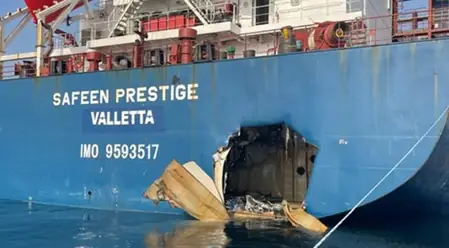
In a chilling escalation of Middle East maritime perils, the Musaffa 2 tugboat vanished beneath the waves of the Strait of Hormuz following an explosion, with three Indonesian crew presumed lost. Indonesia’s diplomats confirmed the Friday catastrophe via official statement.
A lone Indonesian survivor battles injuries from the inferno in an Omani hospital, as search teams from local authorities comb the strait for his missing compatriots. The UAE-registered 134-gross-ton vessel, 85 feet long and launched in 2012, ignited after a suspected blast en route to a damaged container ship.
Dispatched to rescue the Safina Prestige – targeted midweek with reports of engine fire – the tug reportedly faced its own deadly strike, per UKMTO alerts of an incident six nautical miles off northern Oman. Consultants verified the tug’s identity amid whispers of missile involvement.
Overlaying this human drama is Iran’s stark closure of the strait by its Revolutionary Guards, a direct response to intensifying conflicts with America and Israel. Any ship daring the passage risks destruction, they proclaimed.
This chokepoint powers global energy: one-fifth of world oil transits here from Persian Gulf giants to open seas. Saudi and UAE pipelines offer partial relief, but per US data, the majority of exports hinge on Hormuz’s treacherous 21-mile width.
As probes deepen, the episode serves as a stark reminder of how regional wars imperil lives and lifelines alike, potentially sending shockwaves through energy markets and beyond.