
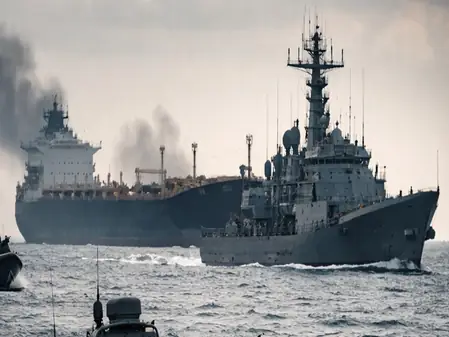
Global trade faces a chokehold as missile and drone assaults cripple shipping lanes in the Gulf of Oman, Persian Gulf, and Strait of Hormuz. Sparked by Iran-U.S.-Israel hostilities, the last 48 hours have seen an explosion of violence targeting defenseless commercial fleets.
Confirmed incidents detail damage to up to eight merchant ships, including vital oil tankers and a container ship. Tactics range from precision drone boats to missile barrages and proximity blasts—one sailor lost his life, others fight for recovery.
February’s U.S.-Israeli preemptive hits on Iran ignited this cycle of reprisals. Hormuz, conduit for 20% of seaborne oil and LNG, now hosts sparse traffic, a shadow of its bustling norm.
Over 100 tankers and gas carriers idle in limbo, clustered at anchorages. Industry giants Maersk and Hapag-Lloyd have issued blanket bans on the route, opting for the lengthy Cape detour that burdens operators with soaring expenses and timelines.
Electronic warfare adds insult: relentless jamming of GPS and AIS systems has logged 1,100+ disruptions, misleading hundreds of ships with phantom locations and endangering safe passage.
Coverage cancellations by war risk providers have turned routine voyages into financial gambles. With J MIC declaring ‘Critical’ threat status, attacks feel inevitable.
U.S. advisories are blunt: steer clear, honor 30-mile naval exclusion zones, scrutinize every nav input, and lock in BMP5 protocols. This maritime meltdown threatens to ripple through energy markets worldwide.