
Dubai, the Middle East’s undisputed property powerhouse, stares down a potential sales nosedive as the Israel-Iran-US powder keg ignites nearby, prompting brokers to sound the alarm on the end of a lucrative boom.
In interviews Sunday, real estate insiders revealed that Iranian missile volleys at U.S. facilities across GCC states are eroding Dubai’s status as the go-to safe deposit box for global fortunes during upheavals. Past successes in luring Russian, Ukrainian, Pakistani, and Afghan money amid their crises now feel vulnerable.
Buyers are on edge, demanding resolution before committing funds—will this be a flash in the pan or a full-blown war? Short-term demand dips seem likely, yet prices hold firm absent a supply glut.
The numbers underscore the stakes: 2025 saw 215,000 transactions eclipsing $187 billion, propelled by elite properties and international demand, with India leading foreign inflows.
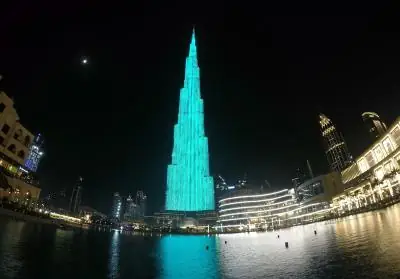
Online buzz features gripping clips of thwarted Iranian assaults on bases and infrastructure. UAE reports confirm one death and injuries from a Palm Jumeirah blast, alongside unconfirmed Burj Khalifa clearance.
Fueling the fire, IRGC vowed escalated hits on U.S. and Israeli targets, avenging the demise of Supreme Leader Khamenei in prior U.S.-Israeli operations.
Dubai’s market, a beacon of luxury and opportunity, now grapples with geopolitical headwinds. Brokers urge calm, but the fusion of fear and uncertainty could cascade into fewer deals and shaken sentiment. History shows resilience, but this conflict’s proximity demands vigilance.