
India’s diplomatic machinery has fired back at persistent claims tying it to the murder of Khalistani figure Hardeep Singh Nijjar, deeming them empty political maneuvers bereft of facts. The MEA insists judicial avenues, not headlines, are the path forward for such disputes.
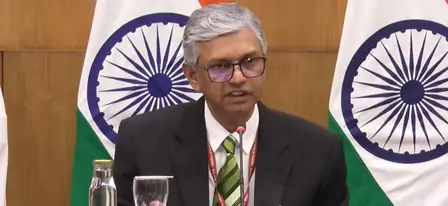
Former Secretary Periyasamy Kumaran delivered the message at a pre-visit briefing for Canada’s Prime Minister Mark Carney. Tackling the Nijjar controversy head-on, he rejected any Indian hand in transnational violence.
Kumaran was unequivocal: “India outright denies involvement in any transnational violence or organized criminal activities. These assertions are groundless, inspired by political agendas, and lack any verifiable evidence—despite our calls for it. Sensitive cases like this belong in courtrooms and police stations, not press conferences.”
Regarding the Canadian investigation into Nijjar’s death, he expressed faith in legal norms and advised against prejudicial public statements.
Flashback to the uproar: Trudeau’s 2023 parliamentary bombshell accused India of orchestrating the hit, leading to diplomat expulsions and frosty ties. India hit back, terming it a ‘motivated smear’ and pointing fingers at Canada’s tolerance of separatist threats.
No concrete evidence has surfaced, stalling progress. Still, practical cooperation endures. NSAs convened twice recently—in Delhi and Ottawa—mapping out enhanced security partnerships.
Institutions like the counter-terrorism group and consular talks remain operational, covering extraditions and international notices. Upcoming dialogues will build on this.
A fresh initiative appoints liaison officers for seamless info flow on narcotics smuggling and organized crime, including fentanyl threats. This structured engagement underscores resilience in bilateral security amid diplomatic hiccups.
As Carney engages in New Delhi, the focus shifts to actionable outcomes, potentially thawing lingering chill from the Nijjar episode.